Effortless Saving: How Automation is Redefining Financial Habits
Effortless Saving: How Automation is Redefining Financial Habits
Dec 20, 2025
8 min read

In the digital age, saving money no longer requires strict budgeting, self-discipline, or complex spreadsheets. Thanks to automation, financial habits are being reshaped in ways that are both efficient and sustainable. From auto-transfers to AI-driven insights, today’s tools allow people to save money with minimal effort bringing financial wellness within reach for everyone.
Automation has made saving a background process
Instead of relying on willpower, users can now schedule automatic transfers to savings accounts. Whether it’s a fixed amount each week or a percentage of every paycheck, the consistency helps build financial stability over time without manual intervention.
Micro-saving is another powerful innovation
Many modern apps round up each transaction to the nearest dollar and move the spare change into a savings account. It might seem small, but this technique often called "save the change" adds up significantly over time, especially for frequent spenders.
Key Features of Effortless Saving
Modern saving platforms allow users to schedule fixed or flexible deposits into savings accounts. Features like “round-up” micro-saving automatically transfer spare change from purchases, enabling consistent saving without conscious effort.
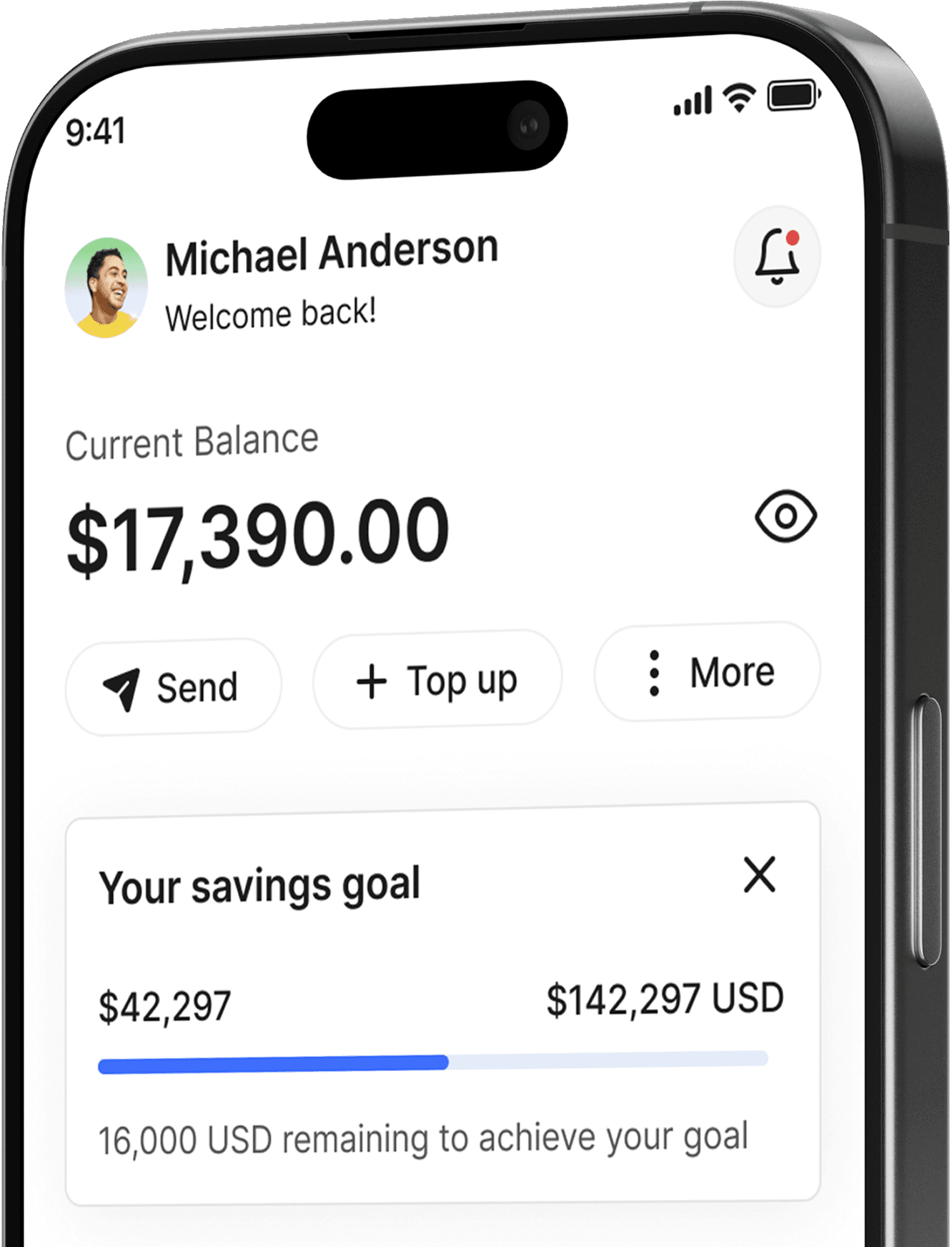
Smart apps use AI to analyze spending patterns, income, and expenses to create tailored saving strategies. Users can set specific financial goals (like travel, emergency funds, or education), and the system adjusts contributions based on real-time financial behavior.
Automated tools provide instant visual feedback on progress, tips for improvement, and allow users to pause, modify, or stop savings at any time. This balance of automation with control ensures savings adapt to changing financial needs.
Empowered Control: Flexibility Meets Financial Discipline
Moreover, the flexibility and control offered by automated saving tools ensure that users remain in charge of their finances while benefiting from the discipline that automation brings. As more people adopt these technologies, we can expect a cultural shift toward smarter, more consistent saving habits that ultimately lead to greater financial freedom and peace of mind.
Employers and banks are embracing automated tools too
Many offer workplace programs where a portion of salaries is automatically deposited into savings or retirement funds. These “opt-out” systems have significantly increased participation and long-term wealth accumulation.
Democratizing Wealth: Making Saving Accessible to All
Automation empowers people from all income levels to participate in wealth-building by lowering the barriers to saving. It removes the need for strict budgeting or financial expertise, making saving accessible and achievable for everyone. This democratization of financial wellness is reshaping how society approaches money management.
Conclusion
In today’s fast-paced world, automation is not just a convenience it’s a transformative force in personal finance. By turning saving into a seamless, background process, automated tools help individuals develop healthy money habits without stress or constant effort. From micro-savings to personalized goals, these innovations make it easier than ever to build financial security and long-term wealth. As technology continues to evolve, embracing automation will be key to achieving financial wellness in the modern age.

More Blogs
More Blogs





Your journey to financial freedom starts here
Start building wealth today with simple tools that help you save, invest, and achieve financial peace of mind.


Your journey to financial freedom starts here
Start building wealth today with simple tools that help you save, invest, and achieve financial peace of mind.
Your journey to financial freedom starts here
Start building wealth today with simple tools that help you save, invest, and achieve financial peace of mind.